 I have posted about Evan Solida’s Cervellum Hindsight digital rearview camera a few times in the past. In a post last August, I mentioned that the concept is moving forward and will be ready to ship sometime this year. Accident recording capability is something that people hoped for in earlier versions of the concept, and Evan explains that it will be available in the final product:
“Accident recording, a patent-pending technology, is done by continuously recording loops of video both forward and behind the bicycle. With the integrated G-sensor, the Hindsight 60 can detect large impacts and will cease recording 10-seconds after any major shock, leaving the cyclist with actual video evidence of whatever occurred leading up to the accident.”
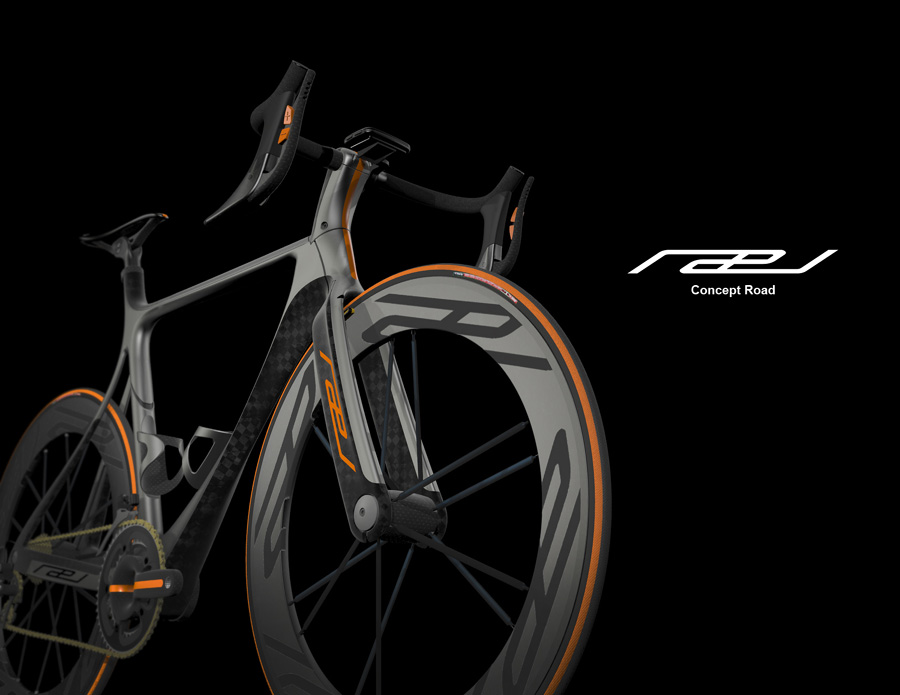
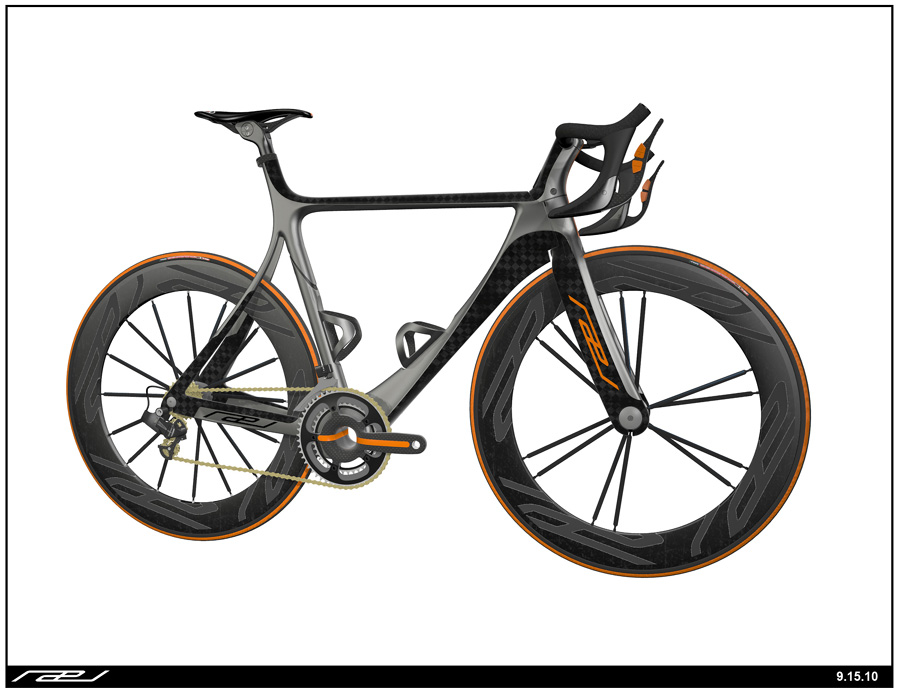
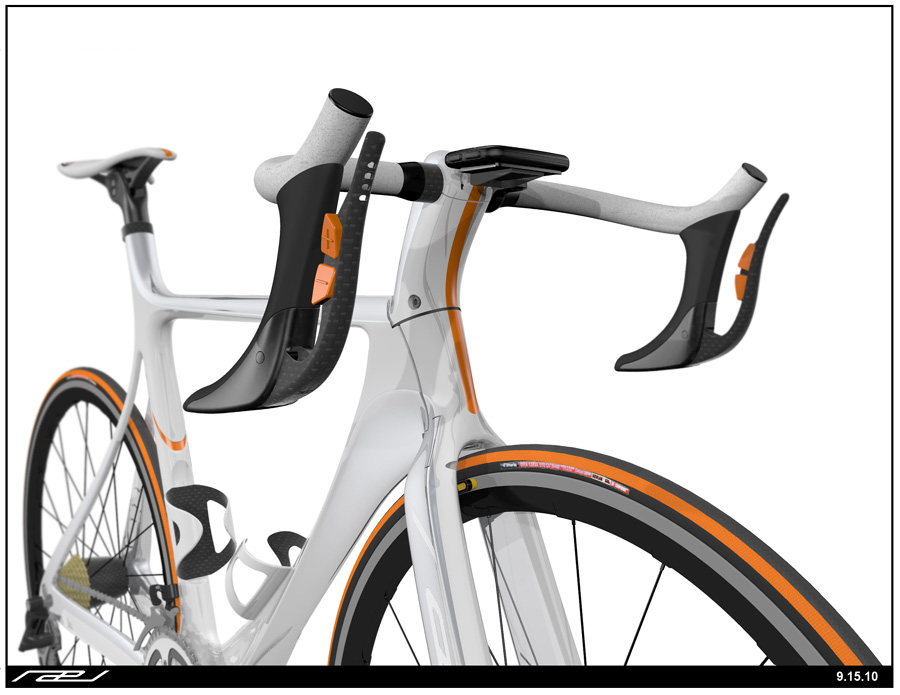
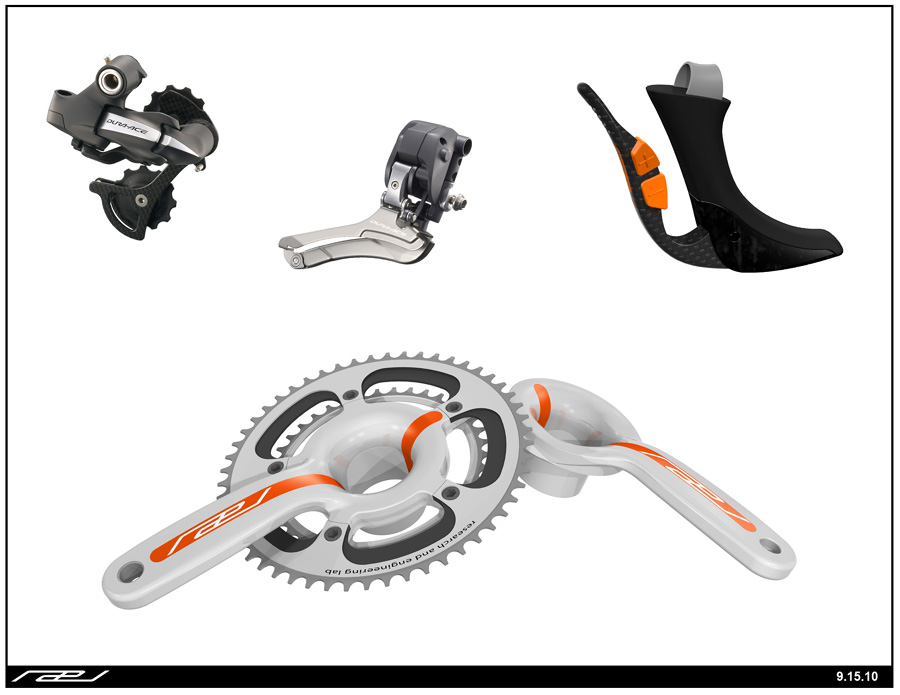
Evan’s latest design, the Rael concept bike, has a Hindsight camera lens nicely integrated into the seatstays. That is just one of the features that differentiates this concept bike from other high-end carbon road models on the market. An LED battery indicator for the Di2 drivetrain is included in the stem cap. Brakes are also integrated into the frame and fork leaving a clean overall appearance. The seat-tube is split diagonally and fitted with a dense elastomer. Doing this essentially turns the seat-stays and top-tube into an enormous leaf-spring, resulting in a limited amount of suspension. Other details, like the proprietary crankset and wheelset(s) combine to make this bike visually unlike any other.
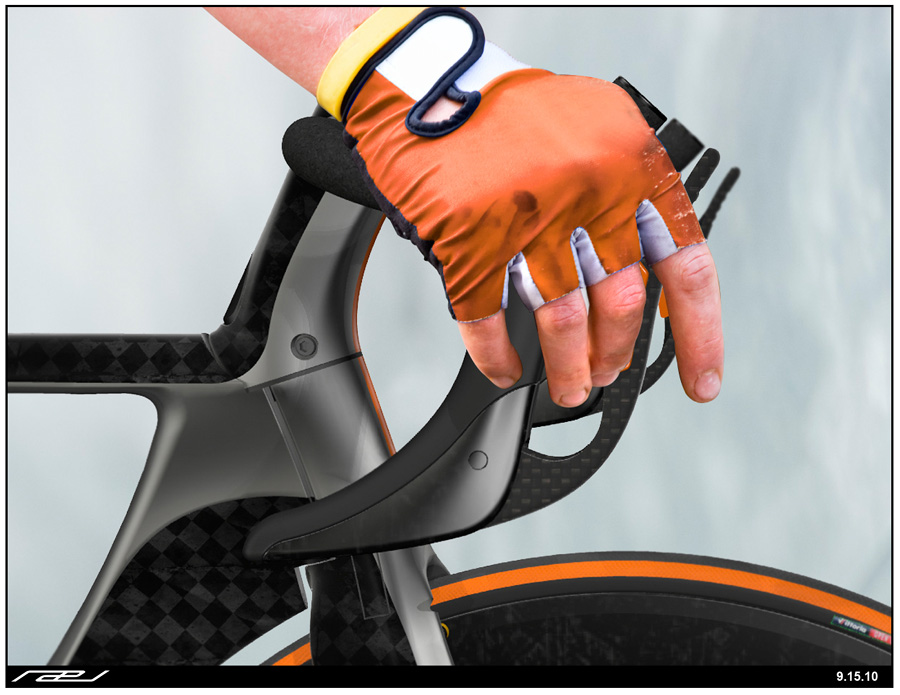 The patent-pending handlebar/brake concept is perhaps the most interesting detail on this bike though. Evan studied the ergonomics of traditional brake-lever/ handlebar assemblies before developing this new design. He explains:
“When you’re riding on normal hoods, your index finger (longest and most powerful digit) is located near the pivot for the lever. That’s far from ideal. You can generate the most braking power by riding in the drops with your index finger near the tip of the lever blade, the farthest point from the pivot. I flipped things around so that you have the most modulation control while riding on the “hoods.” Also, the “drops” can be angled outward to the user’s discretion. One more benefit is that the “drops” are ergonomically shaped like a pistol grip, fantastic for tough sprints.”
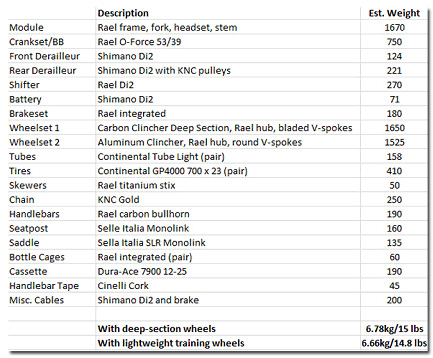
You can see more renderings, and a specification chart, for the Rael concept below. For more information, contact Evan directly at evan (at) 6ixdesign (dot) com.


Leave a Reply